
Pediatric
Congenital Torticollis Physiotherapy
What physiotherapy assessment for congenital torticollis physiotherapy involves, and how care is decided.
This page is patient education — it is not a diagnosis, and it does not replace being assessed.

Common symptoms and signs
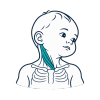
Congenital torticollis describes a baby holding the head tilted to one side, usually noticed in the first months.
- A consistent head tilt to one side, with the chin turned the other way
- A preference for looking in one direction
- Difficulty turning the head fully to one side
- Sometimes flattening on one side of the head


These are the things people commonly describe. They are not a checklist for diagnosing yourself — the same symptoms can come from more than one problem, which is what an assessment is for.

Possible causes and contributing factors
Factors commonly associated with this problem. Association is not the same as cause — the same problem has different contributors in different people, and finding yours is part of what assessment does.
- Position in the womb, or a tight birth passage
- Tightness of the muscle on one side of the neck
- Consistent positioning in one direction during sleep or feeding
- In some cases, another underlying cause requiring paediatric assessment
When to seek help
When to consider physiotherapy
- You have concerns about how your child is moving or reaching milestones
- A diagnosis has been made and you want to know what physiotherapy can work on
- Your child is finding it harder to keep up with peers physically
- You have been referred and want to understand what the sessions involve
You do not need to be certain this is you. If you are unsure, describe it to the practice and you will be told plainly whether physiotherapy is the right next step.

How physiotherapy assesses this problem
The same assessment-led approach applies whatever the problem turns out to be. Nothing is treated before it has been assessed.
Step 1: History from the people who know the child
What you have noticed, what your child avoids, and what they are currently working on at home or at school.
Step 2: Watching the child move
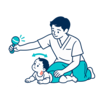
How they move in play rather than on request — position changes, walking, climbing, and how they use each side.
Step 3: Strength, range and postural control
Assessed through activity the child will engage with. A crying child is not being assessed.
Step 4: Goals agreed with the family
Specific and practical: managing stairs, keeping up in the playground, dressing independently.




Treatment approach
What care works on, rather than what it promises. What is appropriate for you is decided at the assessment, not from a website.
Practising the movement through activity the child will actually engage with, which is what makes it repeatable.
Short, specific and built around your routine. A programme needing an hour a day will not happen.
Where relevant, and reviewed as the child grows rather than set once.
Paediatrician, orthopaedic team, school or nursery, where relevant and with your consent.




Treatments that may be used
These are techniques a physiotherapist may use. Listing one here is not a recommendation, and none of them is decided before you have been assessed.
Care for this problem is not built around the individual techniques listed elsewhere on this site. It is built around assessment, structured rehabilitation and practice of the movements that matter to you — described in how physiotherapy assesses this problem.
All treatments →Care & services
Where this problem is looked after, and the programmes it can lead into. The same practice and the same records, wherever the care happens.
 Pediatric Physiotherapy
The area of physiotherapy this problem sits within.
 At the clinic
Johar Town, Lahore
 Home physiotherapy
Treatment at your home in Lahore
 Online physiotherapy
Guided sessions remotely
Who would treat this?
You do not choose a physiotherapist. Describe the problem, and the practice assigns the one whose clinical focus fits it — then reviews that as the picture becomes clearer.
Patient experience
What other patients say
Consented patient story pending
Layout preview · Video not yet availableConsented patient story pending
Layout preview · Video not yet availableConsented patient story pending
Layout preview · Video not yet availableCommon questions
About this problem and assessment — draft copy for clinical review, not personal medical advice.
At what age can a child be assessed?
From infancy upwards, with methods matched to age. Assessment uses play and observation for babies and young children; parents or carers are involved throughout. Any sudden loss of skills or breathing difficulty needs urgent paediatric care first.
Will my child need daily exercises at home?
Home practice is usually short and practical — built around your routine so it actually happens. The programme should fit family life; long unrealistic lists help nobody.
Can congenital torticollis affect head shape?
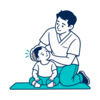
Preferred head positions can contribute to flattening on one side. Gentle stretching and repositioning are commonly used early — your paediatric team monitors progress and rules out other causes.
Booking this practice
How do I book an appointment?
Message the practice on WhatsApp with a short description of your problem. The coordinator will reply during clinic hours to arrange a time.
Can I choose which physiotherapist I see?
Booking is with the practice rather than an individual. After you describe the problem, the practice assigns the physiotherapist whose clinical focus fits it. You can read about the team on the physiotherapists page.
Questions about your own case
How long recovery takes, whether you need a scan, and what is safe to do in the meantime all depend on your assessment. Those are worth asking a physiotherapist rather than a website — describe your situation and you will get an answer about you.

Need help with congenital torticollis physiotherapy?
Describe it on WhatsApp. You do not need a diagnosis to get assessed.