
Specialty
Pediatric
Physiotherapy
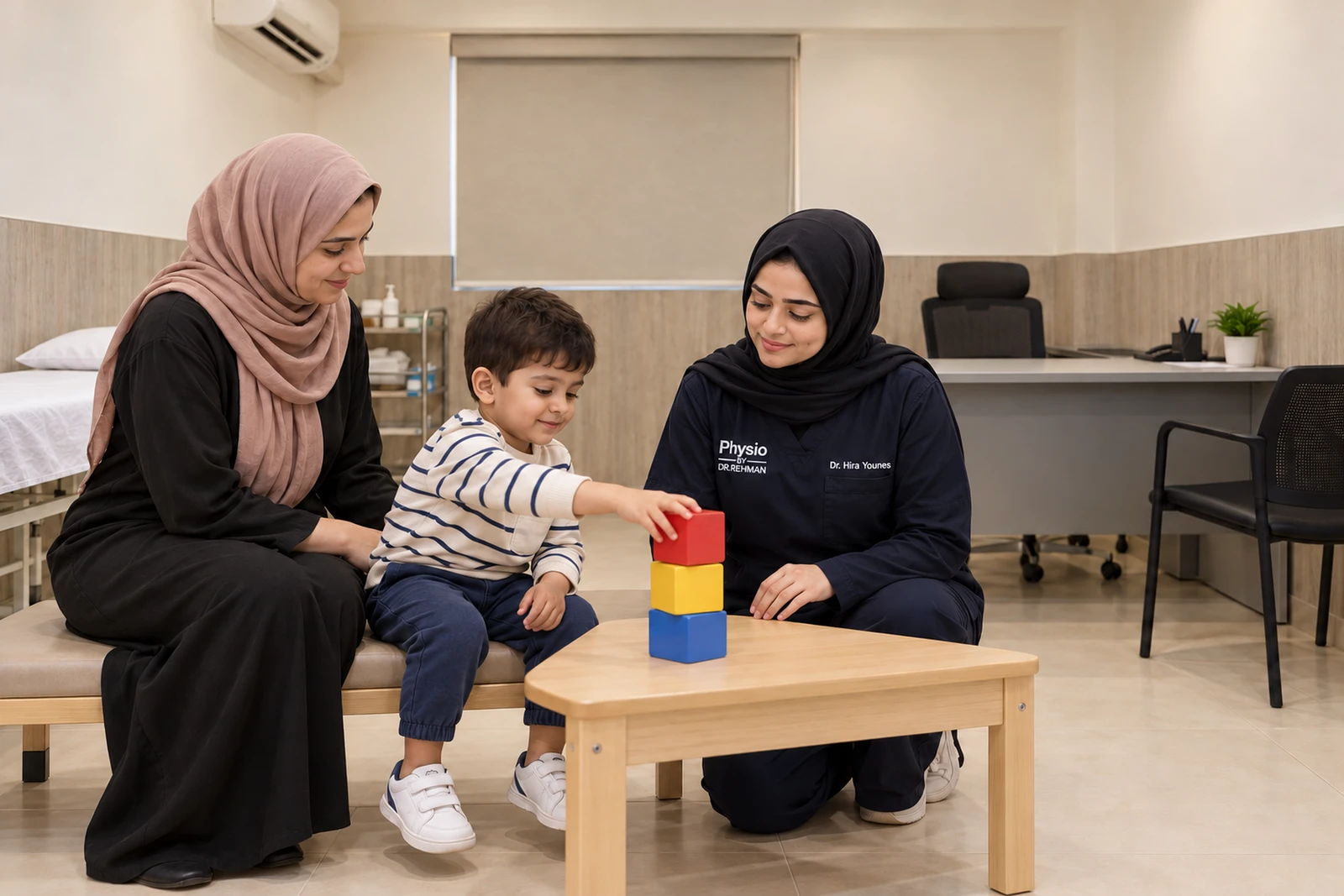
Physiotherapy for babies, children and teenagers — and for the parents making the decision on their behalf.
Who this care is for
- Who tends to come
- A parent or caregiver decision
- What they want back
- Development, mobility and participation
You have concerns about development
Movement milestones, posture or coordination.
Your child has been referred
Following a diagnosis, birth event or specialist appointment.

Your child wants to keep up
Taking part at school and in play alongside other children.
Not sure this is the right area? Start with the problem you are experiencing. The assessment identifies the problem and routes you to the right care inside the practice.
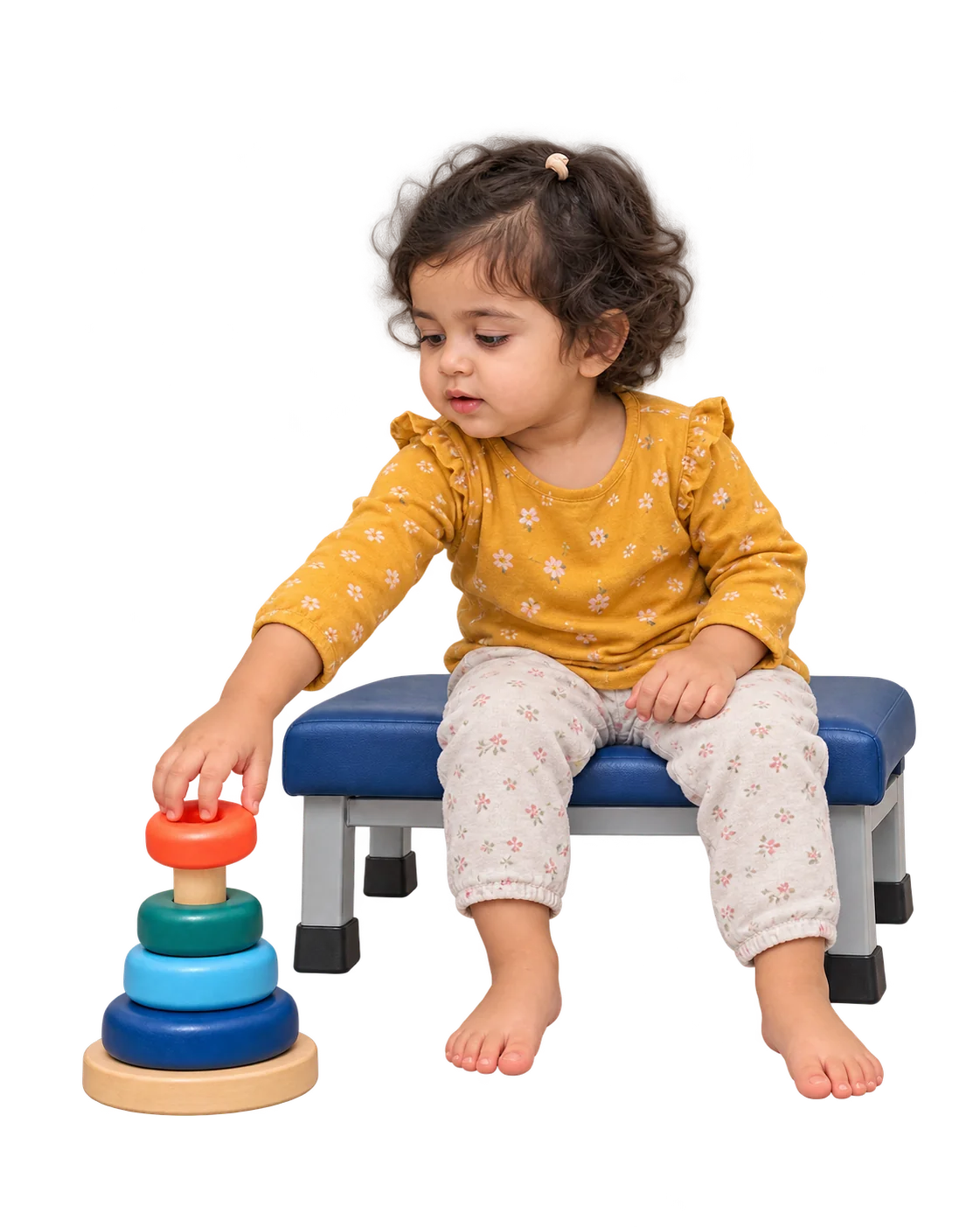
Problems commonly managed
Each of these has its own page explaining assessment and care. This specialty gives them context — it does not replace them.
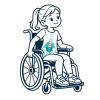
- Cerebral Palsy Physiotherapy & Rehabilitation
- Developmental Delay & Milestone Physiotherapy
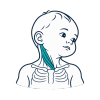
- Congenital Torticollis Physiotherapy
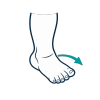
- Clubfoot Post-Casting Rehabilitation
- Down Syndrome Physiotherapy
- Spina Bifida Physiotherapy & Mobility



View all 9 conditions managed in this specialty



What this care involves
Paediatric physiotherapy is centred on what a child is trying to do — roll, sit, walk, keep up in the playground — and on giving the family something workable to do between appointments. Sessions are built around play rather than around exercises.
How your child moves, what they avoid, and what they are working on. Milestones give context; they are not the whole picture.
Movement practised through activity the child will actually engage with. A crying child is not practising anything.
Short, specific and built around your routine. A programme that needs an hour a day is a programme that will not happen.
Paediatrician, orthopaedic team, school or nursery, where relevant and with your consent. Children rarely have only one professional involved.




How care works
Step 1: Assessment
History, movement and function, before any treatment plan.
Step 2: Plan
Findings explained, and goals agreed with you.
Step 3: Rehabilitation
Treatment and progressive rehabilitation together.
Step 4: Review
Progress checked and the plan adjusted as things change.




Patient experience
What other patients say
Consented patient story pending
Layout preview · Video not yet availableConsented patient story pending
Layout preview · Video not yet availableConsented patient story pending
Layout preview · Video not yet availableHow you can receive care
The same assessment-led care, delivered wherever suits you. Which one fits is part of what the first conversation establishes.
At the clinic
Johar Town, Lahore
Home physiotherapy
Treatment at your home in Lahore
Online physiotherapy
Guided sessions remotely


Common questions
Do parents stay in the session?
Yes for younger children — carers learn what to continue at home between visits.
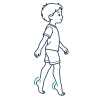
Is toe walking always a problem?
Persistent or one-sided toe walking warrants assessment; many toddlers grow out of habitual toe walking.
Do you work with schools?
With consent, advice can be shared so positioning and activity match home goals.
How do I book an appointment?
Message the practice on WhatsApp with a short description of your problem. The coordinator will reply during clinic hours to arrange a time.
Can I choose which physiotherapist I see?
Booking is with the practice rather than an individual. After you describe the problem, the practice assigns the physiotherapist whose clinical focus fits it. You can read about the team on the physiotherapists page.
Other specialties
All specialties →Need help with pediatric?
Describe the problem on WhatsApp. The practice assesses it and assigns the right physiotherapist.