
Shoulder, Arm & Hand
Frozen Shoulder
What physiotherapy assessment for frozen shoulder involves, and how care is decided.
This page is patient education — it is not a diagnosis, and it does not replace being assessed.
Common symptoms and signs
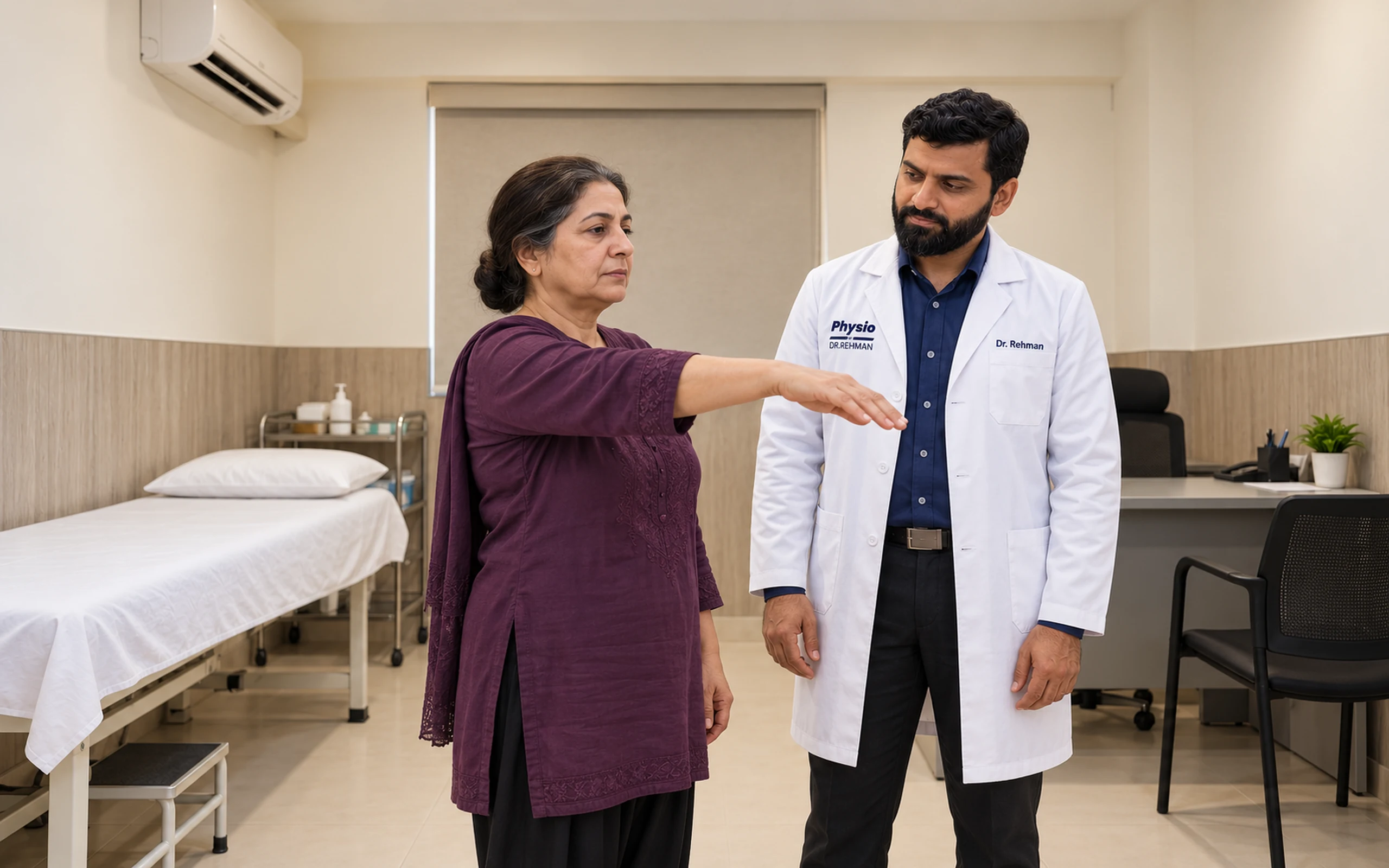
Frozen shoulder is characterised by progressive stiffness — the loss of movement is usually more distinctive than the pain.
- Marked loss of shoulder movement, particularly turning the arm outwards
- Difficulty reaching behind the back, dressing or fastening clothing
- Pain that is often severe at night in the earlier stage
- Stiffness that persists even when someone else moves the arm for you
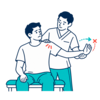


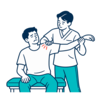
These are the things people commonly describe. They are not a checklist for diagnosing yourself — the same symptoms can come from more than one problem, which is what an assessment is for.

Possible causes and contributing factors
Factors commonly associated with this problem. Association is not the same as cause — the same problem has different contributors in different people, and finding yours is part of what assessment does.
- Often no identifiable trigger at all
- A period of shoulder immobilisation after injury or surgery
- An association with diabetes and some thyroid conditions
- A minor shoulder injury that was followed by reduced movement
When to seek help
When to consider physiotherapy
- Movement has been restricted for several weeks and is not improving
- Reaching, dressing, lifting or gripping have become difficult
- Pain is disturbing your sleep
- The same problem has returned more than once
You do not need to be certain this is you. If you are unsure, describe it to the practice and you will be told plainly whether physiotherapy is the right next step.

How physiotherapy assesses this problem
The same assessment-led approach applies whatever the problem turns out to be. Nothing is treated before it has been assessed.
Step 1: History
What happened, how it behaves through the day, what makes it better or worse, and what it is currently stopping you doing.
Step 2: Movement and strength testing
How the area moves, how much it can produce and tolerate, and how the surrounding joints and muscles are compensating.
Step 3: Functional testing
The specific tasks that are difficult — reaching, stairs, walking, gripping, sitting — tested rather than described.
Step 4: Explanation and plan
What the findings suggest in plain language, including what remains uncertain, and what the first stage of care would involve.




Treatment approach
What care works on, rather than what it promises. What is appropriate for you is decided at the assessment, not from a website.
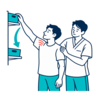
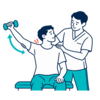
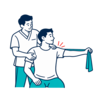
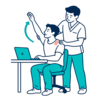
Identifying the loads, positions and activities involved, and adjusting them deliberately rather than resting completely.
Working on the range and quality of movement that has been lost, at a pace the area can tolerate.
Progressive strengthening so the area can take the load your daily life or sport actually asks of it.
Staged return to work, prayer, driving, lifting or sport, with the criteria for progressing made clear.
Treatments that may be used
These are techniques a physiotherapist may use. Listing one here is not a recommendation, and none of them is decided before you have been assessed.
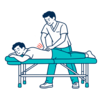 Manual Therapy
Hands-on assessment and treatment of joints and soft tissue, used alongside movement and rehabilitation rather than on its own.
 Dry Needling
A fine needle applied to muscle tissue as part of a wider physiotherapy plan. It is a technique within treatment, not a treatment in itself.
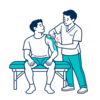 Kinesio Taping
Elastic tape applied to the skin, used as a short-term adjunct alongside rehabilitation rather than as a stand-alone course of treatment.
 IASTM (Soft-Tissue Mobilisation)
Instrument-assisted soft-tissue mobilisation — a tool used to apply pressure to soft tissue, as one part of a hands-on treatment approach.
Care & services
Where this problem is looked after, and the programmes it can lead into. The same practice and the same records, wherever the care happens.
 Musculoskeletal / Orthopaedic
The area of physiotherapy this problem sits within.
 At the clinic
Johar Town, Lahore
 Home physiotherapy
Treatment at your home in Lahore
 Online physiotherapy
Guided sessions remotely
Who would treat this?
You do not choose a physiotherapist. Describe the problem, and the practice assigns the one whose clinical focus fits it — then reviews that as the picture becomes clearer.
Patient experience
What other patients say
Consented patient story pending
Layout preview · Video not yet availableConsented patient story pending
Layout preview · Video not yet availableConsented patient story pending
Layout preview · Video not yet availableCommon questions
About this problem and assessment — draft copy for clinical review, not personal medical advice.
Can physiotherapy help if I already have a scan report?
Often, yes — but the scan is only one piece. What you can move, load and use day to day usually matters more for planning care. Bring any reports you have; assessment still starts with your symptoms and function.
Is it normal for shoulder or arm pain to disturb sleep?
Many people describe night pain with shoulder and arm problems, particularly lying on the affected side. It is common, not harmless by default — if sleep is regularly broken or weakness is worsening, assessment should not wait.
How long does a frozen shoulder last?
The condition often passes through painful and stiff phases over many months, but timelines vary widely. Physiotherapy focuses on the stage you are in — pain control and range, then strength — without promising a fixed end date.
Booking this practice
How do I book an appointment?
Message the practice on WhatsApp with a short description of your problem. The coordinator will reply during clinic hours to arrange a time.
Can I choose which physiotherapist I see?
Booking is with the practice rather than an individual. After you describe the problem, the practice assigns the physiotherapist whose clinical focus fits it. You can read about the team on the physiotherapists page.
Questions about your own case
How long recovery takes, whether you need a scan, and what is safe to do in the meantime all depend on your assessment. Those are worth asking a physiotherapist rather than a website — describe your situation and you will get an answer about you.




Need help with frozen shoulder?
Describe it on WhatsApp. You do not need a diagnosis to get assessed.