

Neurological
Spinal Cord Injury Rehabilitation
What physiotherapy assessment for spinal cord injury rehabilitation involves, and how care is decided.
This page is patient education — it is not a diagnosis, and it does not replace being assessed.
Common symptoms and signs
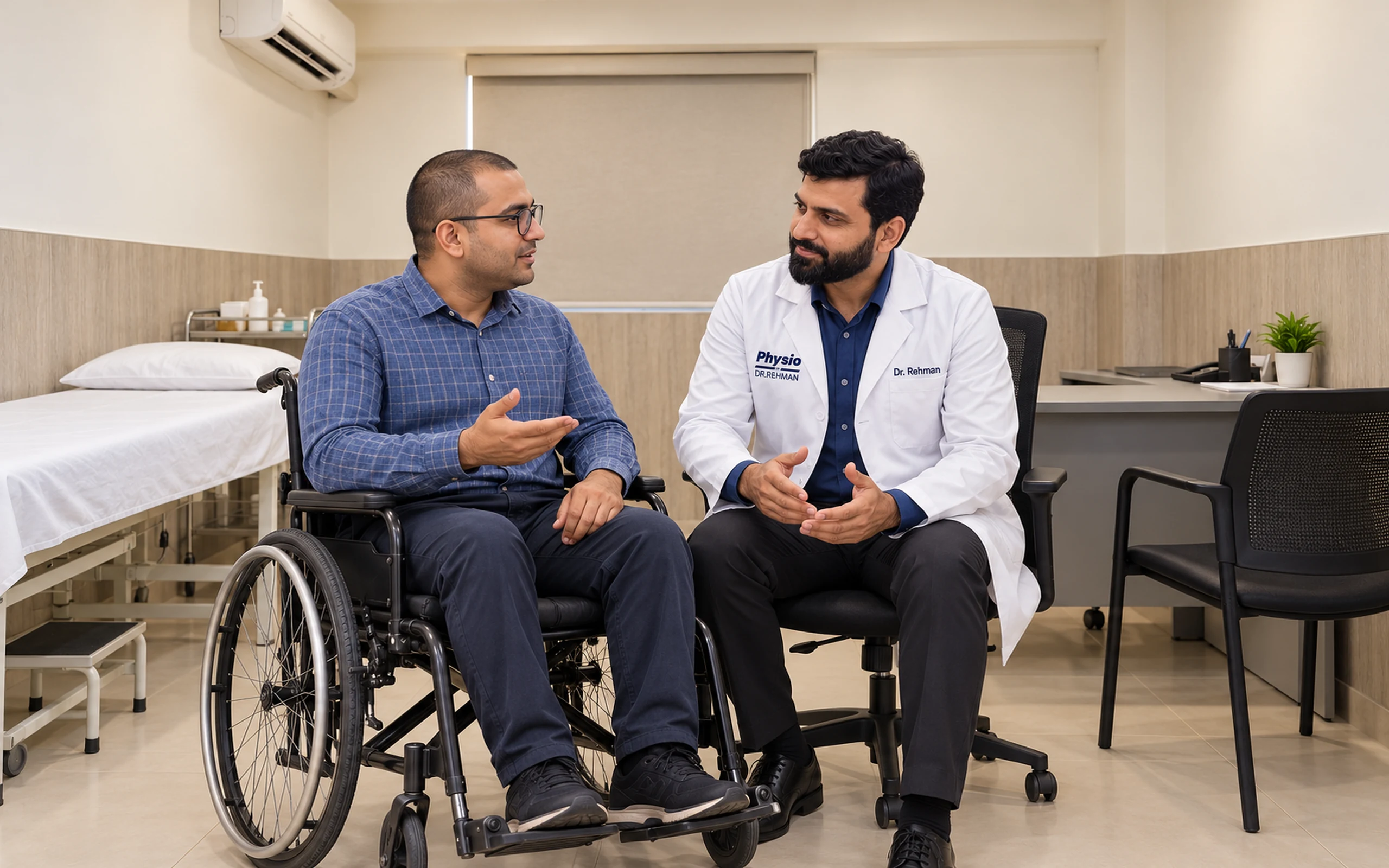
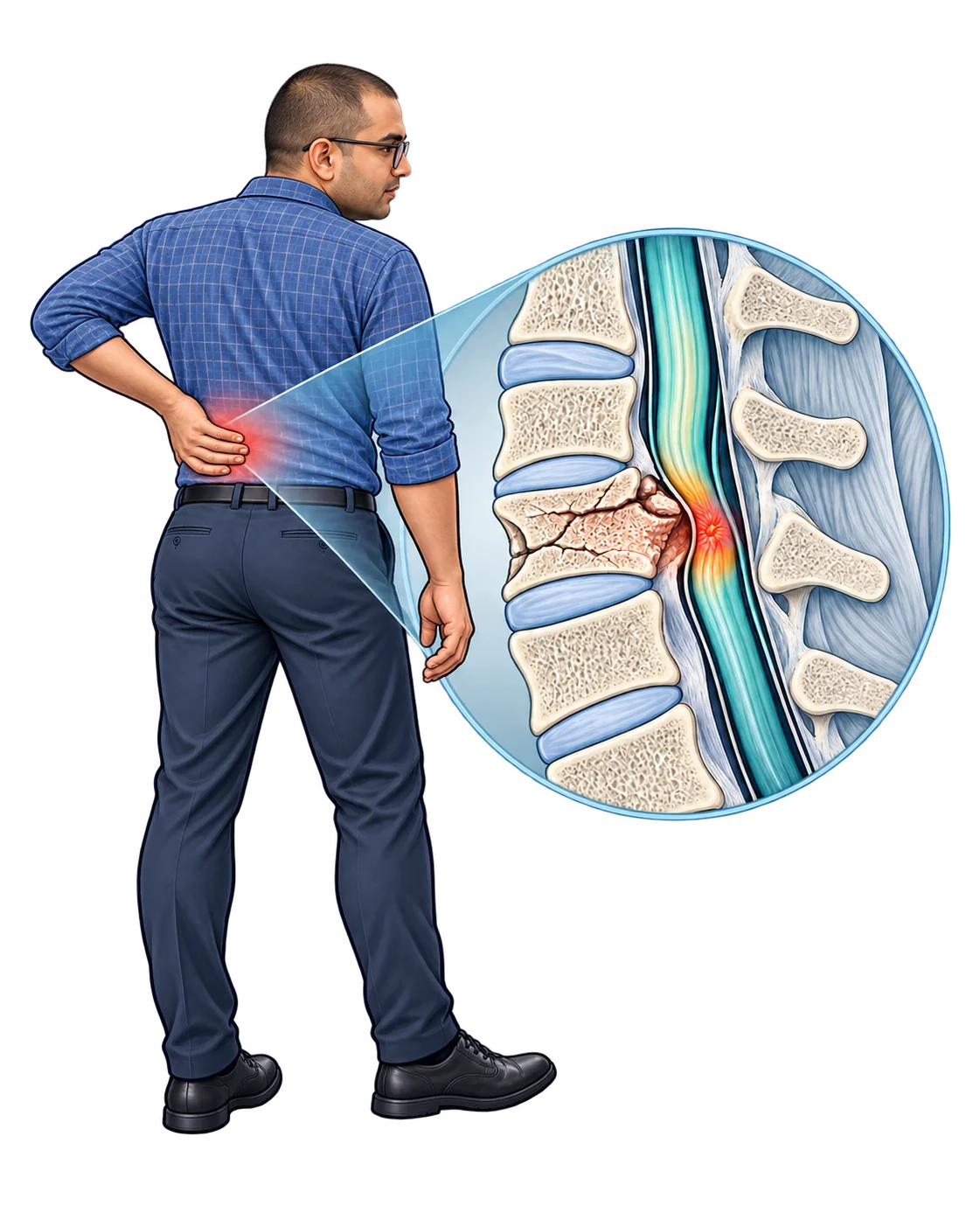
This page is about rehabilitation after spinal cord injury. What is affected depends on the level and completeness of the injury, which your medical team will have explained.
- Loss or reduction of movement and sensation below the level of injury
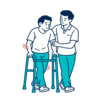
- Difficulty with transfers, sitting balance and mobility
- Changes in bladder, bowel or skin management needs
- Reduced strength and endurance in the areas that are unaffected

These are the things people commonly describe. They are not a checklist for diagnosing yourself — the same symptoms can come from more than one problem, which is what an assessment is for.
Possible causes and contributing factors
Factors commonly associated with this problem. Association is not the same as cause — the same problem has different contributors in different people, and finding yours is part of what assessment does.
- The injury itself, and its level and completeness
- Time spent immobile during acute care
- Secondary complications such as joint stiffness
- Environmental and equipment barriers
When to seek help
When to consider physiotherapy
- Movement, balance or walking have changed and are not recovering
- You or a family member are finding transfers and daily tasks harder
- You have been discharged from hospital and are unsure what to do next
- Falls have started, or the fear of falling is reducing activity
You do not need to be certain this is you. If you are unsure, describe it to the practice and you will be told plainly whether physiotherapy is the right next step.

How physiotherapy assesses this problem
The same assessment-led approach applies whatever the problem turns out to be. Nothing is treated before it has been assessed.
Step 1: History, including how things have changed
What has changed, over what period, and what you or your family have noticed most.
Step 2: Movement, balance and transfers
How you move between positions, stand, walk and manage stairs or the bathroom — and where the risk of falling actually sits.
Step 3: Strength, control and endurance
What limits activity first: weakness, coordination, or fatigue. They need different work.
Step 4: Goals set with you and your family
Specific tasks that matter to daily life, because neurological rehabilitation is built around task practice.



Treatment approach
What care works on, rather than what it promises. What is appropriate for you is decided at the assessment, not from a website.
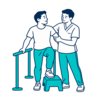
Structured, repeated practice of the movements that matter — standing up, walking, reaching, dressing.
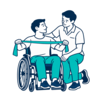
Alongside task practice, because fatigue and weakness often limit what can be practised before technique does.
Practising the situations where balance is genuinely challenged, supervised and progressed deliberately.
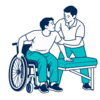
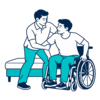
Safe transfers, how to help without taking over, and what to continue between sessions.

Treatments that may be used
These are techniques a physiotherapist may use. Listing one here is not a recommendation, and none of them is decided before you have been assessed.
Care for this problem is not built around the individual techniques listed elsewhere on this site. It is built around assessment, structured rehabilitation and practice of the movements that matter to you — described in how physiotherapy assesses this problem.
All treatments →Care & services
Where this problem is looked after, and the programmes it can lead into. The same practice and the same records, wherever the care happens.
 Neurological Physiotherapy
The area of physiotherapy this problem sits within.
 At the clinic
Johar Town, Lahore
 Home physiotherapy
Treatment at your home in Lahore
 Online physiotherapy
Guided sessions remotely
Who would treat this?
You do not choose a physiotherapist. Describe the problem, and the practice assigns the one whose clinical focus fits it — then reviews that as the picture becomes clearer.
Patient experience
What other patients say
Consented patient story pending
Layout preview · Video not yet availableConsented patient story pending
Layout preview · Video not yet availableConsented patient story pending
Layout preview · Video not yet availableCommon questions
About this problem and assessment — draft copy for clinical review, not personal medical advice.
When should neuro rehabilitation start?
As soon as your medical team says you are stable enough — often early after stroke or acute injury, sometimes gradually after progressive conditions. Timing is a clinical decision; the first physiotherapy step is understanding what movement and safety need now.
Can physiotherapy replace medication or neurology care?
No. Physiotherapy works on movement, balance, strength and daily tasks alongside your doctors. Medication, investigations and medical monitoring stay with your neurology or rehabilitation physician.
What does long-term spinal cord injury physiotherapy focus on?
Maintaining range, skin and respiratory health, strength where present, equipment and transfers, and adapting as needs change. Medical complications are monitored by your rehabilitation team.
Booking this practice
How do I book an appointment?
Message the practice on WhatsApp with a short description of your problem. The coordinator will reply during clinic hours to arrange a time.
Can I choose which physiotherapist I see?
Booking is with the practice rather than an individual. After you describe the problem, the practice assigns the physiotherapist whose clinical focus fits it. You can read about the team on the physiotherapists page.
Questions about your own case
How long recovery takes, whether you need a scan, and what is safe to do in the meantime all depend on your assessment. Those are worth asking a physiotherapist rather than a website — describe your situation and you will get an answer about you.


Need help with spinal cord injury rehabilitation?
Describe it on WhatsApp. You do not need a diagnosis to get assessed.